 Reviews

 Proudly American
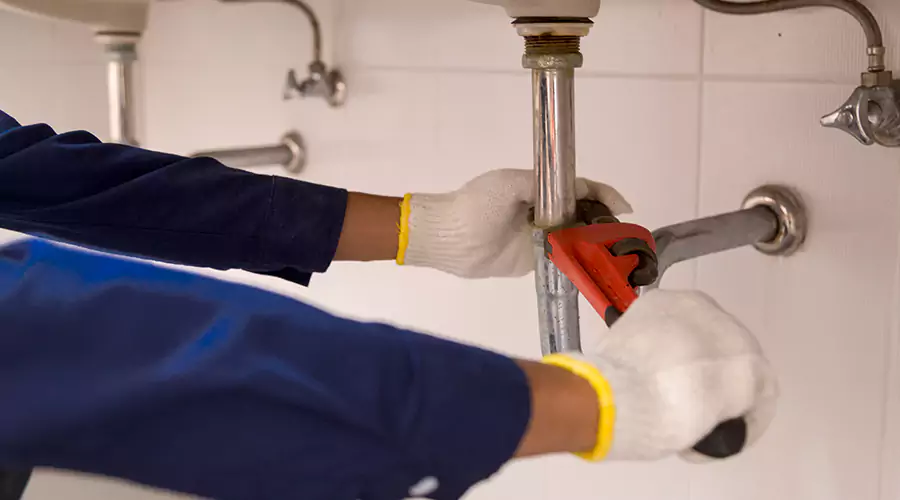
Your home’s plumbing system is vital for providing clean, safe water for drinking, cooking, bathing, and daily activities. Over time, however, plumbing systems age and can develop issues that compromise water quality and safety. Aging pipes, corroded fixtures, and outdated materials may lead to leaks, contamination, or even serious health risks for your family if not addressed promptly.
Understanding the effects of aging plumbing systems, recognizing warning signs, and taking preventive measures can protect your home, family, and property. This guide explains how aging plumbing affects water safety, the common problems homeowners face, and the steps you can take to ensure your water remains clean and reliable.
Common Issues in Aging Plumbing Systems
Plumbing systems naturally degrade over time, and several factors contribute to water safety risks:
Corrosion and Rust in Pipes
Older metal pipes, especially copper and galvanized steel, are prone to corrosion over the years. Rust particles can enter the water supply, causing discoloration and a metallic taste. Corroded pipes may also weaken, develop leaks, or break entirely, increasing the risk of contamination. Homes with extensive copper or older iron pipe installations are particularly susceptible.
Mineral Buildup and Scaling
Hard water containing calcium and magnesium leaves mineral deposits inside pipes, creating scale buildup. This not only restricts water flow but can also trap bacteria and other contaminants, affecting overall water quality. Appliances connected to plumbing, such as water heaters, dishwashers, and sinks, may become less efficient and prone to damage over time.
Leaks and Hidden Water Damage
Aging pipes are more likely to develop small leaks that may go unnoticed behind walls, under floors, or beneath sinks. Hidden leaks can encourage mold and mildew growth, compromising indoor air quality and posing health risks. Additionally, leaks may allow contaminants to enter the water supply, further impacting water safety.
Outdated Plumbing Materials
Older homes may feature plumbing made from materials that are no longer considered safe, such as lead pipes or polybutylene. Lead contamination is particularly dangerous, especially for children, pregnant women, and individuals with compromised health. Replacing outdated piping with modern PVC or PEX water pipe installations significantly improves water safety and reduces long-term health risks.
Failing Fixtures and Valves
Aging faucets, toilets, and valves may leak or corrode over time. Pressure-reducing valves or backflow preventers can fail, potentially allowing contaminants to enter the system. Regular inspection and replacement of worn fixtures are crucial for maintaining both water quality and system efficiency.
Warning Signs of Compromised Water Safety
Homeowners should remain vigilant for signs that aging plumbing may be affecting water safety:
- Rusty or discolored water coming from taps
- Metallic or unusual taste in drinking water
- Low water pressure or slow drains
- Frequent leaks or damp areas around pipes and fixtures
- Visible corrosion on faucets, valves, or exposed pipes
- Unexplained spikes in water bills
Early detection allows homeowners to prevent major health and property risks by addressing plumbing issues before they escalate.
Preventive Measures for Homeowners
Schedule Professional Plumbing Inspections
Licensed plumbers can thoroughly inspect copper, PVC, or PEX pipe installations for corrosion, leaks, or material degradation. Professional assessments help identify hidden risks and suggest timely repairs or replacements to prevent contamination.
Replace Old Pipes and Fixtures
Replacing corroded or outdated pipes with modern materials like PVC or PEX improves water quality. Upgrading faucets, valves, and water heaters also ensures efficient operation and reduces the risk of leaks or contamination.
Install Water Filtration Systems
Point-of-use filters or whole-house water filtration systems remove contaminants such as rust, sediment, chlorine, and bacteria. These systems provide an added layer of protection for families, especially in homes with older plumbing.
Monitor Water Quality Regularly
Homeowners should periodically test tap water for common contaminants like lead, iron, and bacterial presence. Any abnormal readings should be addressed promptly with professional guidance.
Maintain Appliances Connected to Plumbing
Appliances such as water heaters, dishwashers, and washing machines can accumulate sediment or scale over time. Flushing water heaters, inspecting appliance connections, and repairing leaks help maintain both appliance efficiency and overall water safety.
Why Professional Plumbing Services Are Critical
Professional plumbers provide essential expertise for maintaining water safety in aging systems:
- Detect hidden leaks, corrosion, and material degradation
- Safely replace outdated pipes and fixtures with modern water pipe installations
- Recommend preventive measures to avoid contamination and improve water flow
- Ensure compliance with current plumbing and safety standards
- Offer guidance on ongoing maintenance to extend the life of plumbing systems
Engaging a professional helps homeowners avoid costly repairs, prevent water contamination, and maintain reliable, safe water for the entire household.
Conclusion
Aging plumbing systems can significantly compromise water safety by introducing rust, minerals, bacteria, or lead into a home’s water supply. Common issues include corrosion, leaks, scaling, outdated materials, and failing fixtures.
Homeowners who monitor warning signs, schedule regular professional inspections, and update their plumbing systems can protect their family’s health, maintain efficient water flow, and extend the lifespan of their home’s infrastructure.
Take proactive steps today—inspect and maintain your plumbing system to ensure clean, safe water and peace of mind for your home and family.